Why Arborists Matter: Comprehensive Services for Peak Tree Health and Risk Management.
Arborists serve a vital role in upholding the health and safety of trees. Their specialized knowledge covers aspects such as tree biology, pest management, and structural integrity. Consistent upkeep is vital to preventing potential hazards and encouraging development. Nonetheless, a lot of homeowners fail to notice the warnings of tree distress that could cause major problems. Understanding what arborists offer can significantly affect the duration and appearance of landscapes. Which essential services they provide?
Knowing the Purpose of Arborists
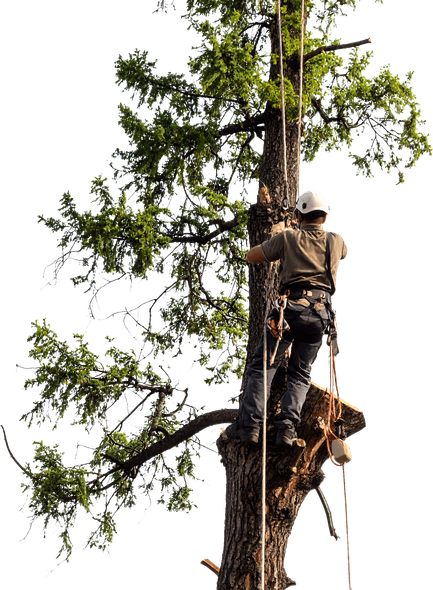
Although many people appreciate the beauty of trees, not many realize the crucial role that arborists play in maintaining their health and safety. Tree specialists are experts skilled in the knowledge and practice of tree care. They possess a deep understanding of tree biology, ecology, and the different elements that impact how trees grow and stay upright. Tree specialists evaluate trees for signs of disease, pest infestations, and weak points in the structure, ensuring that trees thrive in their environments. They also promote the ecological benefits of trees, such as carbon sequestration and wildlife habitat, stressing their value in city development and environmental conservation. By applying optimal methods in tree care, arborists contribute to the overall health of urban forests and landscapes. Their skill is necessary in informing the community about proper tree management, building more respect for trees and the fundamental role they play in the ecosystem.
Main Offerings Available by Arborists
Arborists offer a broad array of crucial offerings that support the well-being and security of trees. A key offering is tree pruning, which requires cutting away dead or diseased branches to promote growth and avoid dangers. Tree specialists perform tree assessments, analyzing the health and structural integrity of trees, finding hidden threats, and recommending appropriate actions. In addition, they assist with tree placement, guaranteeing trees are located in suitable locations with ideal soil conditions to thrive
An important service is pest and disease management, with arborists who determine the issues and apply treatment protocols to protect the trees (Florence Arborist). In addition, many arborists handle tree felling when necessary, securely removing hazardous trees to lessen hazards to people and property. Lastly, they offer advisory services, informing customers on tree maintenance and care methods that foster healthy growth. In summary, these services are crucial for preserving both urban and rural environments
The Benefits of Regular Tree Maintenance
Consistent tree care provides many advantages that boost the trees' well-being and the security of the nearby area. By implementing consistent care, such as pruning and thinning, trees can develop more strongly, allowing for better light penetration and better airflow. This promotes sound structural growth and lowers the danger of pest and disease outbreaks. Additionally, regular maintenance assists in removing hazardous or deceased branches, decreasing the likelihood of property damage or personal injury during storms or high winds.
In addition, well-maintained trees add positively to the aesthetic appeal of landscapes, boosting property worth. They also encourage biological diversity by providing habitat for various species. Engaging professional arborists makes certain that maintenance practices are carried out accurately, using their knowledge to judge the health of the tree and apply appropriate treatments. In conclusion, regular maintenance fosters a safer environment while improving the vigor and longevity of trees, aiding the community and the ecosystem.
Recognizing Indicators of an Unhealthy Tree
How can one identify when a tree is in distress? Identifying symptoms of tree stress is crucial for ensuring the health and safety of trees. Important signs involve leaves that are yellow or wilted, which may indicate a lack of water or deficiencies in nutrients. Additionally, a high volume of dropped leaves can indicate distress, especially when the tree is actively growing. Different bark textures, such as flaking or splitting, often indicate underlying issues, including pest infestations or disease. An excessive number of dead branches, particularly if they are widespread, indicates a loss of vigor. Furthermore, a compromised root structure, evidenced by leaning or exposed roots, puts at risk a tree’s overall stability. Lastly, the presence of fungi or mushrooms near the trunk's base may indicate decay. Early recognition of these indicators, tree owners can take appropriate action to reduce potential hazards and foster optimal tree health, securing the safety and lifespan of their trees.
Selecting the Ideal Arborist for What You Need
When hiring a tree professional, what factors should one consider to secure the most suitable provider for their tree care needs? First, credentials are essential; the arborist you hire needs relevant qualifications and training in tree care. Experience also plays a significant role; professionals who have established success are likely to provide better service. Additionally, reviewing past customer feedback and references helps shed light into an arborist’s professional standards and dependability.
The range of services offered is another factor is the variety of services they provide. Whether tree pruning, disease management, or emergency care, a suitable arborist must be able to address to specific needs. Moreover, it is wise to check on insurance and safety practices to guarantee coverage against potential liabilities. Lastly, receiving quotes from different providers allows you to compare cost and value, leading to a better decision. When these factors are carefully considered, individuals may hire an arborist who is suitable for their demands and supports the health and security of their trees.
Commonly Asked Questions
How Frequently Should Tree Care Services Be Scheduled?

Tree maintenance services should be scheduled at least once a year for most species (Florence Arborist). Nevertheless, specific needs may vary based on tree species, age, and local climate conditions, making it necessary to modify the maintenance schedule
What Qualifications are Important in an Arborist?
In your search for an arborist, you must check for credentials such as certification from the ISA (International Society of Arboriculture), accreditation by the TCIA (Tree Care Industry Association), or local licenses that demonstrate expertise in tree care and safety practices.
Do Arborists Offer Tree Planting Services?
Indeed, certified tree experts can aid with the process of tree installation. These specialists deliver proficiency regarding the selection of fitting species, making certain planting methods are correct, and giving advice about the specific site factors, leading to robust growth and boosting the ecological stability of the area.
What Impact Do Climatic Factors Have On Tree Care?
The state of the weather heavily affects tree care. Temperature extremes, precipitation levels, and air movement influence how trees grow, health, and risk of infestation, necessitating customized maintenance valuable resource plans to ensure trees flourish under diverse environmental circumstances.
How Much Does It Typically Cost of Hiring an Arborist?
The typical fee for employing a tree expert usually falls between three hundred to fifteen hundred dollars, based on variables including geographic area, the height and girth of the tree, and the complexity of the services required for maintaining the trees and evaluating their health.