Why Expert Tree Removal Services Are Vital for Landscape Health
Professional tree removal services play a critical role in maintaining landscape health. Such services support the mitigation of threats tied to unstable or afflicted trees. These dangers can jeopardize not just the local space but the entire ecological system. Additionally, trained arborists possess the necessary skills and equipment for safe removal. Recognizing these components generates vital considerations about the far-reaching effects on safety and ecosystem sustainability. What aspects must homeowners assess before undertaking tree removal independently?
Recognizing the Dangers of DIY Tree Removal
Even though the attraction of saving money may tempt homeowners to undertake DIY tree removal, they often underestimate the related risks. Most people lack the required training to judge the health and stability of a tree, which can produce dangerous miscalculations. A tree's structural integrity can be misleading, and an untrained eye may not recognize signs of weakness that could cause unexpected falls or limb breakage. Moreover, improper cutting techniques can cause the tree to fall erratically, potentially destroying property or injuring bystanders.
Furthermore, numerous homeowners do not possess the appropriate equipment for safe removal, which increases the risk of accidents. The use of chainsaws and ladders without appropriate knowledge can result in serious injuries. In conclusion, the aftermath of tree removal can also pose risks; fallen branches and debris need careful handling to eliminate further hazards. Therefore, the potential dangers of DIY tree removal outweigh the perceived benefits.
Why Safety Matters in Tree Removal
Safety stands as a primary consideration when it comes to tree removal, especially given the many hazards associated with the task. Professionals equipped with the right tools and training can effectively mitigate risks such as falling branches, equipment malfunctions, and potential injuries to bystanders. Trees can pose unforeseen dangers, including obscured decay or structural weakness that may cause unpredictable falls.
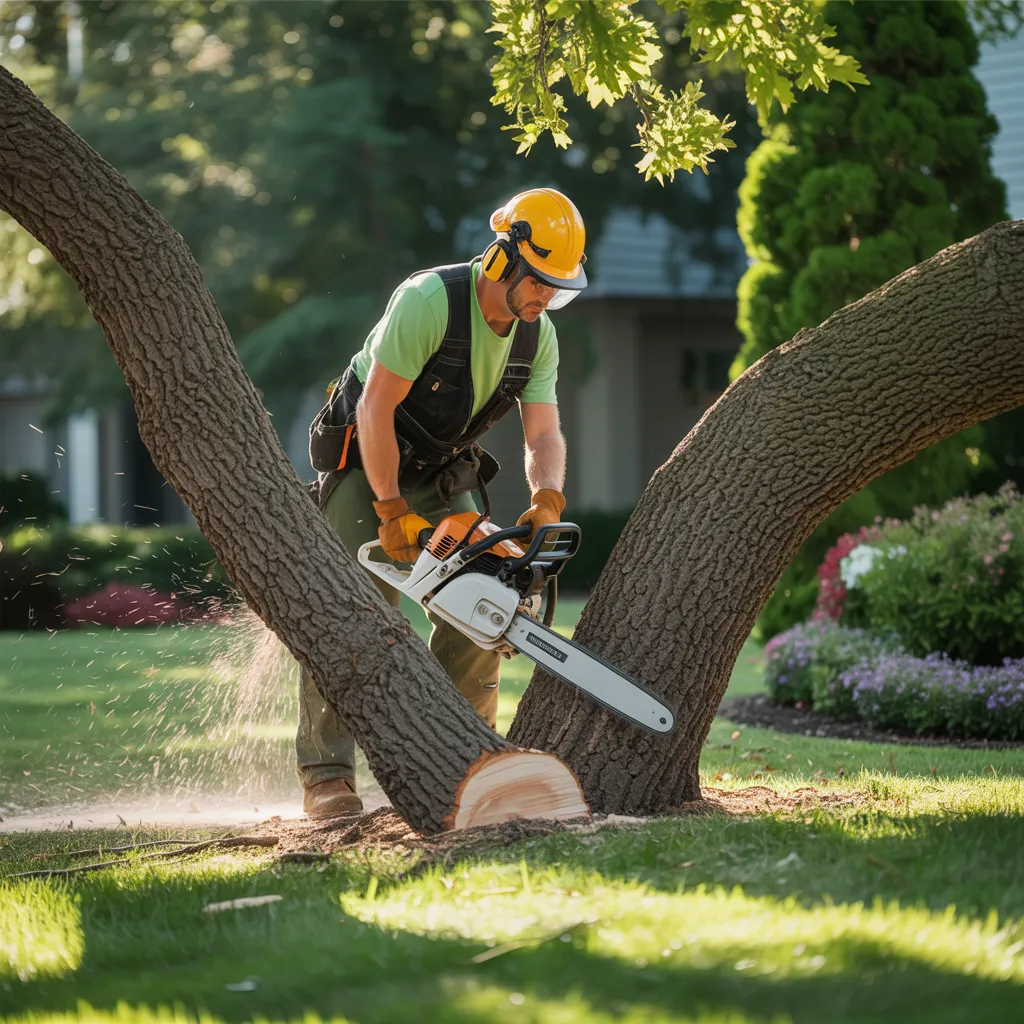
Moreover, the use of specific safety gear, such as helmets, harnesses, and goggles, is critical to safeguard workers during the removal process. Trained personnel are trained to examine the surrounding environment, verifying that power lines, buildings, and other structures are not compromised during the operation. In addition, adhering to local regulations and safety guidelines reduces the chance of accidents or legal issues. Finally, prioritizing safety in tree removal not only safeguards individuals involved but also maintains the integrity of the landscape and surrounding community.
Environmental Benefits of Professional-Grade Tree Removal
When performed by qualified experts, tree removal can deliver significant environmental benefits that extend beyond immediate aesthetic improvement. A primary advantage is the enhanced health of the surrounding ecosystem. Eliminating dead or diseased trees prevents the spread of pests and pathogens, protecting nearby flora. Additionally, professional tree removal often includes environmentally conscious disposal methods, such as recycling wood into mulch or timber, thereby limiting waste and promoting sustainability.
Additionally, the removal of densely packed or poorly placed trees can boost sunlight penetration and air circulation, encouraging a healthier growth environment for remaining plants. This, in turn, can increase biodiversity by enabling a greater variety of species to thrive. Finally, professional services often implement replanting strategies, guaranteeing that the ecological balance is preserved and that new trees can absorb carbon dioxide, contributing to a healthier atmosphere. On the whole, the environmental benefits of professional tree removal are critical for advancing and sustaining landscape health.
Safeguarding the Well-being of Surrounding Vegetation
Preserving the health of adjacent vegetation is crucial in the context of tree removal services. Effectively managing tree removal can stop the spread of diseases, boost soil nutrients, and support the healthy growth of remaining plants. These considerations ensure that the ecosystem remains stable and thriving after a tree has been removed.
Avoiding Disease Transmission
To sustain the health of neighboring vegetation, it is crucial to prevent the spread of diseases that can plague trees. When trees grow infected, pathogens can readily transfer to nearby plants, causing widespread complications within the landscape. Professional tree removal services serve a critical function in identifying and eradicating diseased trees before they threaten their healthy counterparts. By promptly removing infected specimens, these services work to control the outbreak, thereby safeguarding the overall vitality of the ecosystem. Furthermore, trained professionals can assess the health of nearby vegetation, verifying that potential disease vectors are addressed. This proactive approach not only maintains the aesthetic appeal of the landscape but also supports the long-term health of all plant life in the locale.
Improving Ground Nutrient Content
Although preserving soil health is crucial for promoting vigorous vegetation, boosting soil nutrient content typically necessitates professional expertise and approaches. Expert tree elimination companies serve a vital function in this endeavor. Through methodical removal of deceased or deteriorating trees, they prevent nutrient depletion resulting from competition for resources. Additionally, these experts recognize the unique soil profiles and nutrient demands of different plant species. They can suggest and apply soil amendments, such as organic matter or fertilizers, tailored to the unique demands of the landscape. Moreover, tree removal services frequently encourage proper mulching and composting practices, which result in nutrient-rich soil. Finally, boosting soil nutrients through professional intervention maintains the health of surrounding vegetation, guaranteeing a thriving ecosystem.
Fostering Healthy Growth
Healthy soil not only supports nutrient-rich growth but also plays a significant role in the overall health of surrounding vegetation. As trees grow excessively large or fall ill, they can contend with nearby plants for essential resources such as water, nutrients, and sunlight. Expert tree removal professionals address these concerns by carefully evaluating and removing trees that compromise the overall ecosystem health. This process serves to optimize the growing conditions for remaining plants and fosters a more balanced ecosystem. Furthermore, by getting rid of dead or dying trees, specialists decrease the risk of pests and diseases migrating to healthier plants. Consequently, this fosters a thriving environment where all vegetation can thrive, ensuring the long-term health of the landscape.
Equipment and Expertise: Their Role in Effective Tree Removal
Effective tree removal depends largely on the combination of specialized equipment and expert expertise. Trained arborists utilize a range of tools, including chainsaws, stump grinders, and aerial lifts, to provide safe and efficient removal of trees. Each piece of equipment serves a specific purpose, enabling arborists to address unique challenges presented by the tree's size, location, and condition.
Expertise in tree biology and structural integrity is just as crucial. Certified specialists examine the tree's health, identifying potential hazards such as disease or instability. This knowledge guides the removal process, guaranteeing that it is performed safely and with minimal impact on nearby vegetation and property.
In addition, qualified arborists are skilled at coordinating the removal sequence, taking into consideration environmental conditions and the potential for debris management. The integration of sophisticated equipment and specialized knowledge not only bolsters safety but also supports a more effective and responsible approach to tree removal.
Improving the Aesthetic Appeal of Your Landscape
Boosting the visual attractiveness of a landscape requires deliberate consideration of design elements, plant selection, and maintenance practices. Qualified tree removal services fulfill an essential role in this process by ensuring that trees are suitably placed to complement the overall design. By eliminating diseased or overgrown trees, these services generate space for new plants and enhance light availability, permitting a more flourishing garden.
Well-planned tree removal can enhance sightlines and create focal points, transforming an ordinary yard into a visually stunning environment. Additionally, professionals can assess which trees may pose hazards or disrupt harmony, contributing to both safety and beauty.
Integrating seasonal color and diverse textures through begin now deliberate tree and plant choices adds depth to the landscape. In the end, professional tree removal services not only enhance visual appeal but also promote healthier ecosystems, creating a landscape that is both attractive and sustainable.
FAQ
How Can I Choose a Trustworthy Tree Removal Service?
To select a trustworthy tree removal service, you should look into local businesses, verify reviews, confirm credentials, obtain multiple bids, and examine their insurance coverage. This ensures a safe and professional experience for all tree removal projects.
What Are the Charges for Professional Tree Removal?
Costs associated with professional tree removal fluctuate considerably, usually spanning from $200 to $2,000. Aspects determining pricing include tree size, location, accessibility, and potential hazards, together with the complexity of the removal process.
Are There Seasonal Considerations for Tree Removal?
Timing considerations for tree removal include handling dead or diseased trees in late winter or early spring, steering clear of nesting seasons for birds in spring, and providing safety during potential storms in autumn. Proper timing significantly affects results.
Which Certifications Must Tree Removal Professionals Possess?
Tree removal professionals should maintain certifications such as ISA Certified Arborist, Tree Care Industry Association (TCIA) accreditation, and local licensing credentials. These qualifications guarantee adherence to safety standards and industry best practices for successful tree removal and management.
How Should I Prepare My Yard for Tree Removal?
Setting up a yard for tree removal includes clearing the area of debris, marking utility lines, securing pets, and ensuring safe access for equipment. Property owners should discuss with the removal team about possible hazards and expectations.